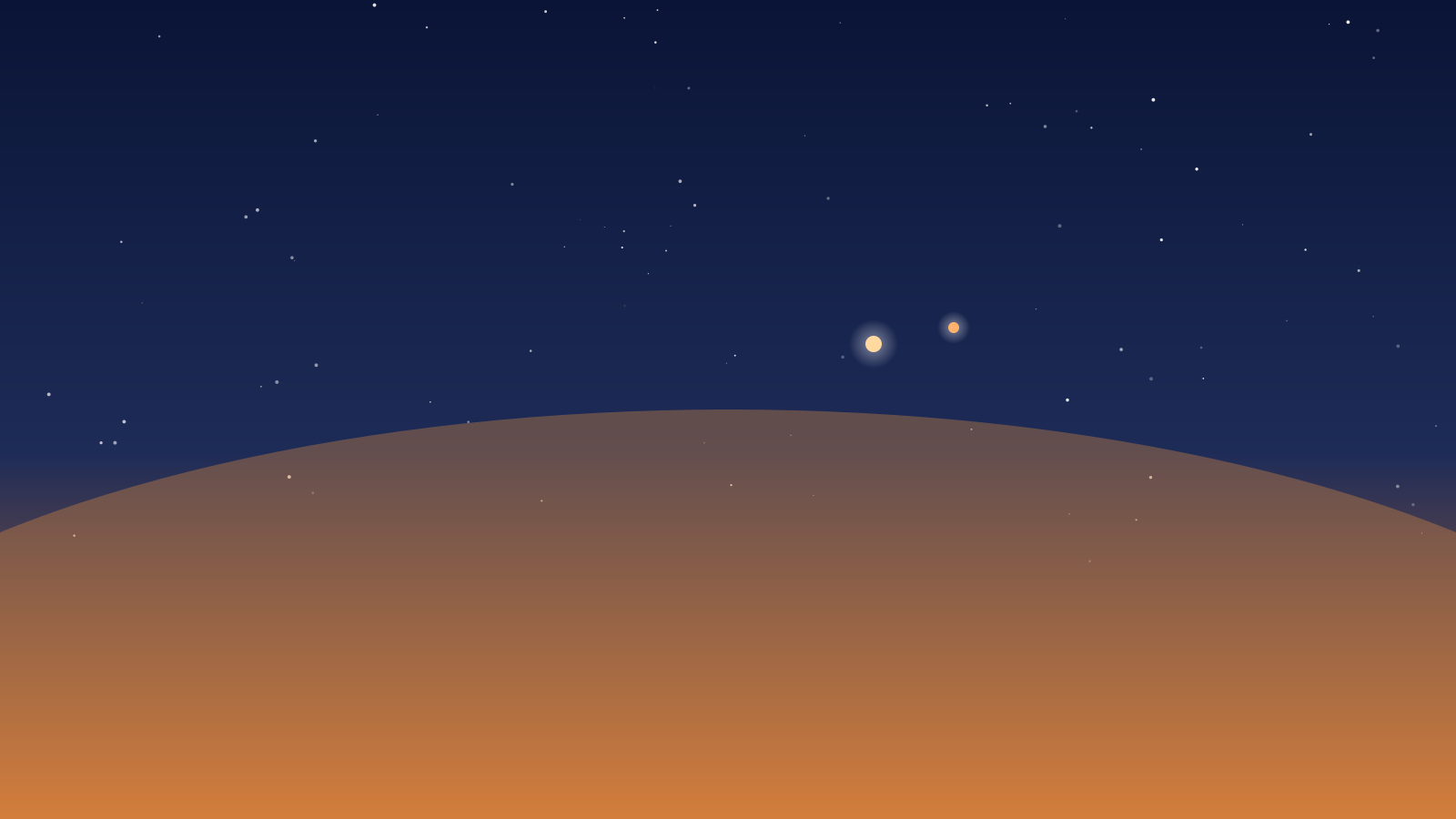
When worlds draw close
Conjunctions
Two planets meet in the same small patch of sky, a close pairing that has drawn the eye and shaped stories for as long as people have watched the heavens.
Explore conjunctions →
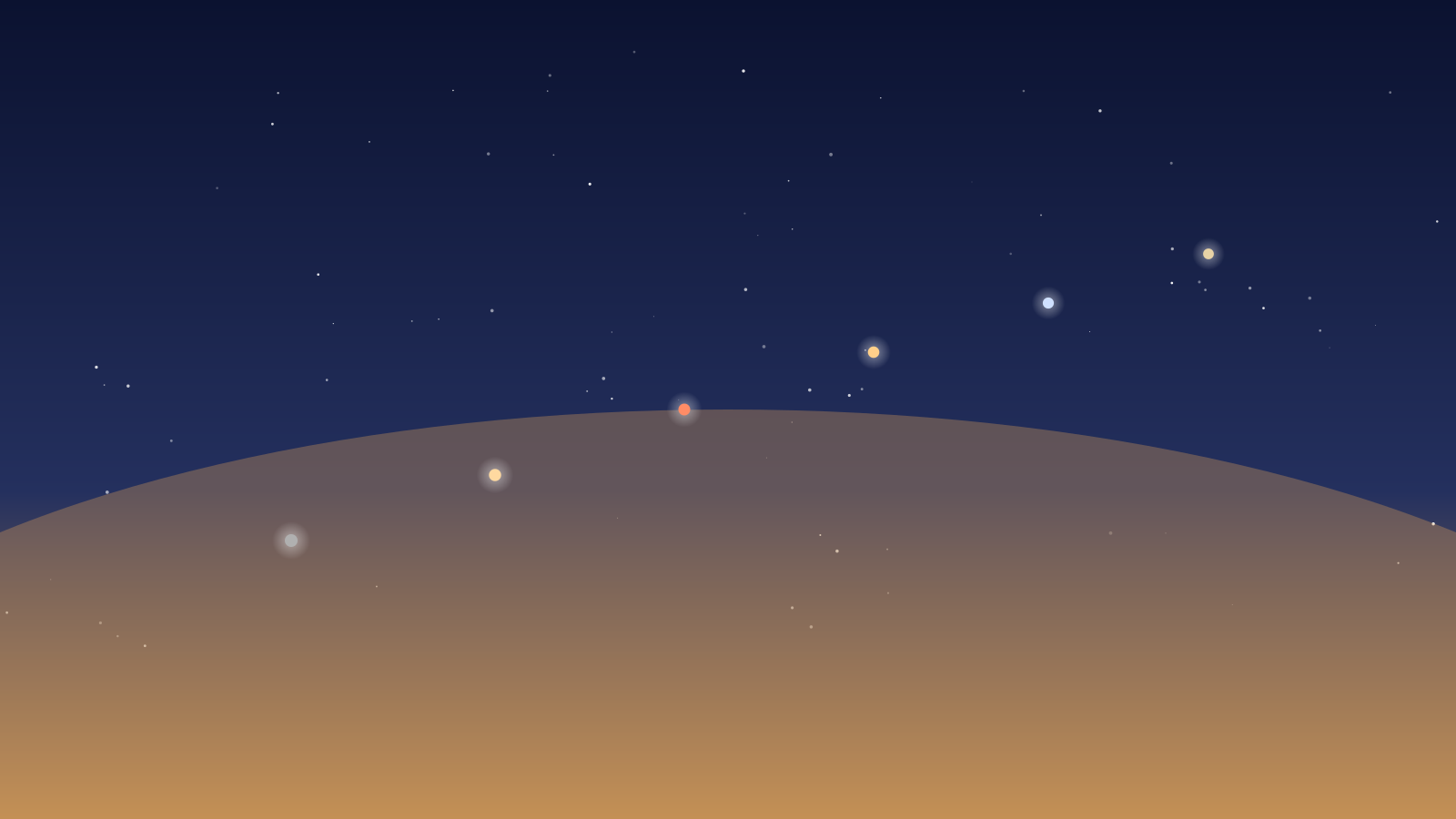
A gathering of planets
Planetary parades
Several planets crowd into one stretch of sky and rise together before dawn or set together after dusk, a lineup striking to the naked eye.
Find the parades →
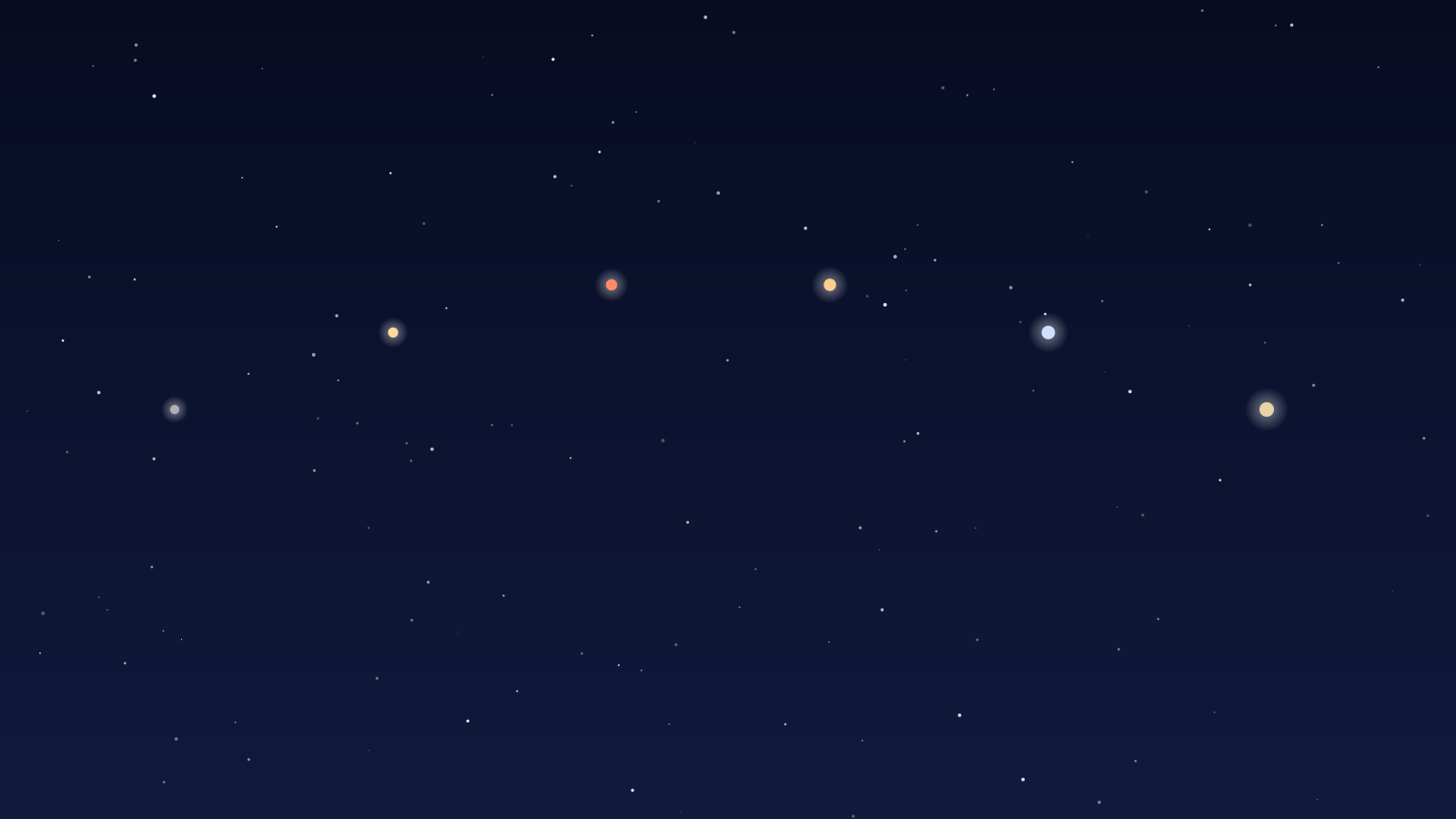
Across the whole sky
Grand alignments
Worlds spread along a single arc, or settle into the balanced patterns that astrologers named grand trines and grand crosses.
See grand configurations →
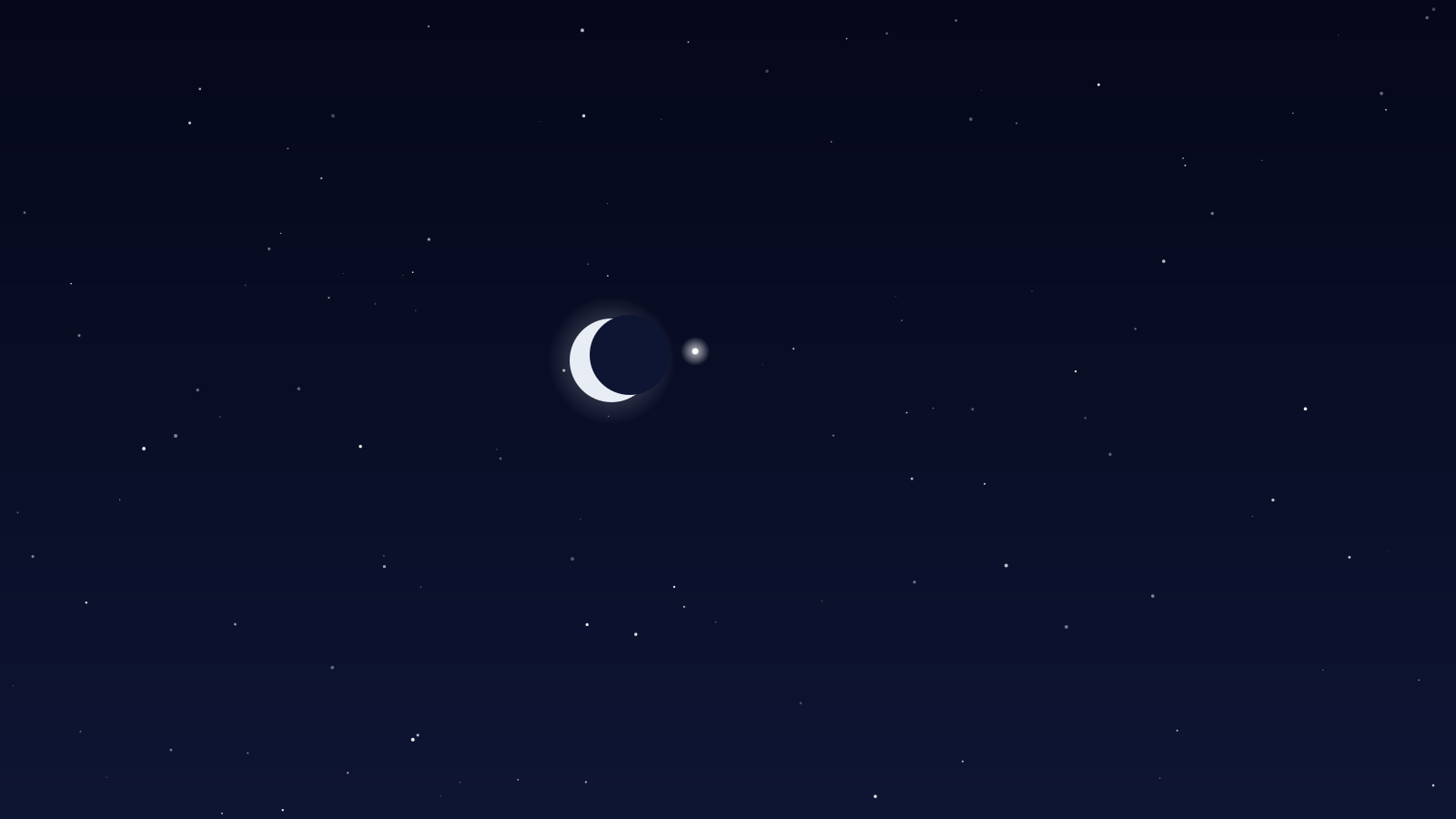
The Moon meets a star
Occultations and appulses
The Moon or a planet slips close to a bright star, and sometimes covers it entirely, a passing used for centuries to measure the sky.
Explore star appulses →
Start searching →
A searchable catalog of celestial alignments across the centuries. As far as we can tell, the first of its kind.
Search
Search the catalog
Choose the kinds of alignment you want to see, narrow by date, tightness,
or a specific planet or star, and explore the results with a sky map for
every event. 1,859 events catalogued so far,
covering 1500 to 2500 CE and expanding.
How to search
Finding an alignment
- Pick one or more alignment types, or leave them all
unchecked to see everything.
- Set a date range by year (1500 to 2500) or exact date.
- Ask for a minimum number of bodies or a
maximum deviation to find only the tightest gatherings.
- Require or exclude the Moon, or focus on one
planet or bright star.
- Add your location to see only what is visible from
where you are.
Read about each alignment type →